
Energy Clipping: What It Is and How to Reduce Solar Energy Loss
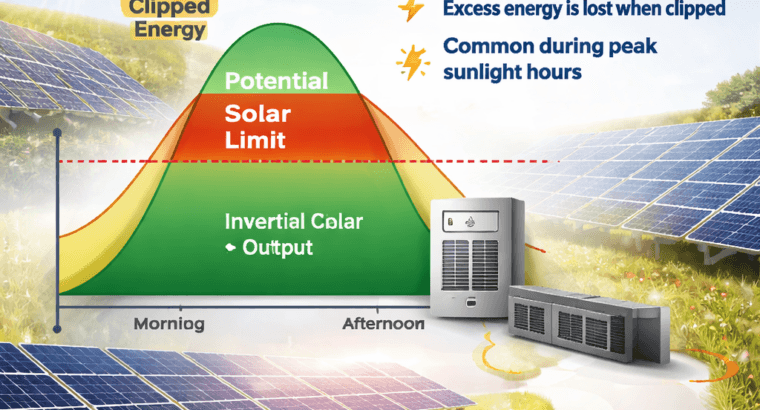
Energy clipping is a common topic in modern solar systems. However, many system owners do not fully understand how it affects performance. When explained correctly, energy clipping becomes easier to manage and optimize.
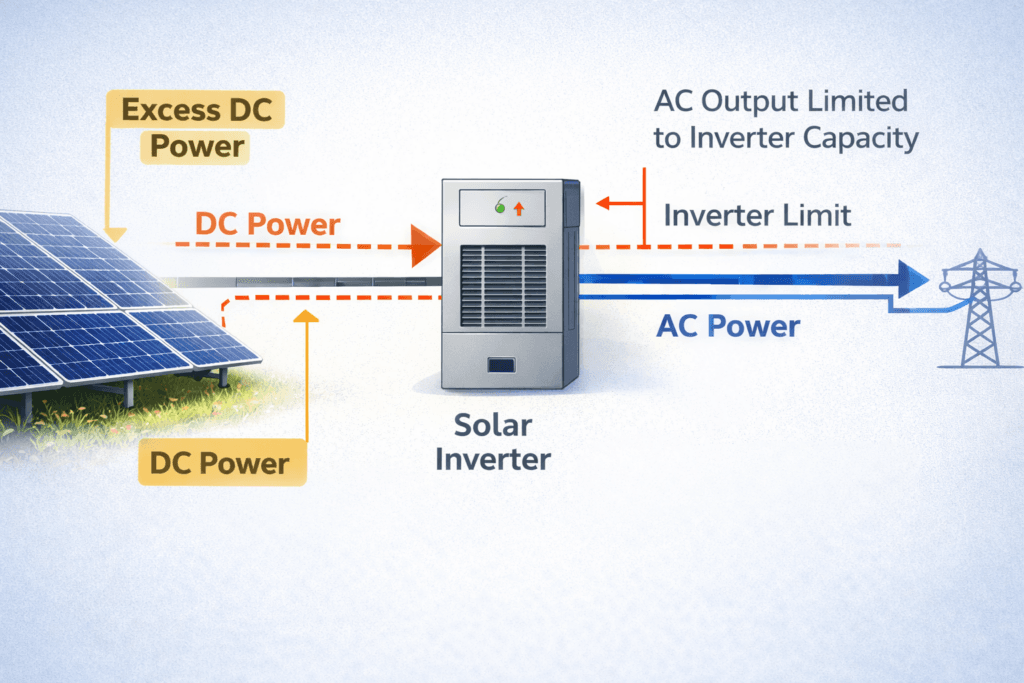
In simple terms, energy clipping happens when solar panels produce more power than the inverter can convert. As a result, excess energy is limited instead of being used. Understanding this process helps improve system efficiency and long-term returns.
What Is Energy Clipping?
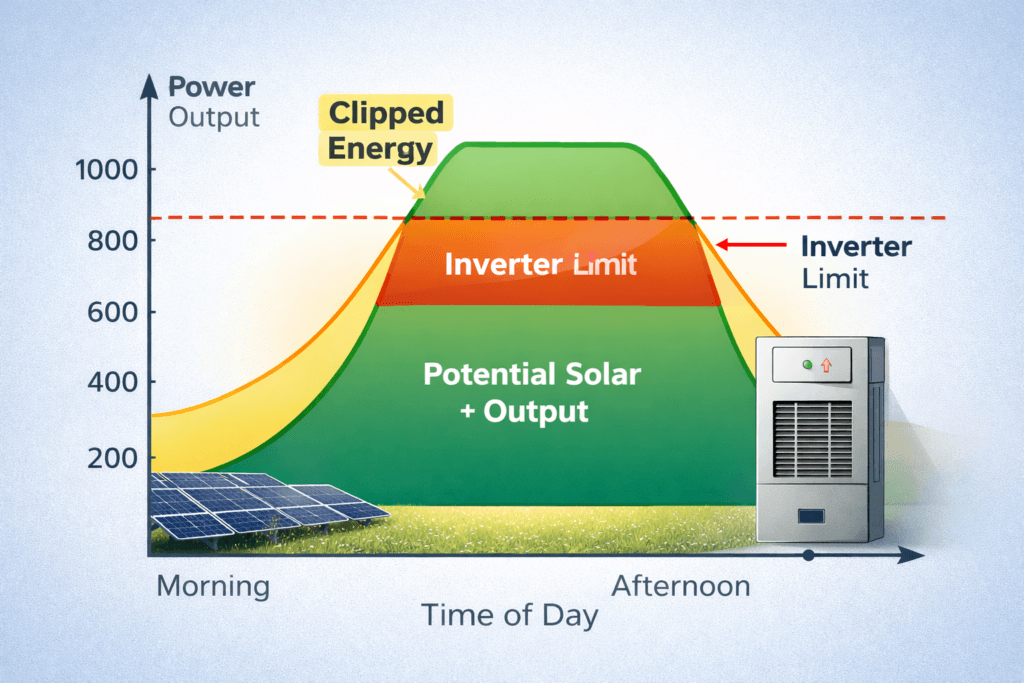
Energy clipping occurs when the inverter reaches its maximum output capacity. Solar panels may still generate more DC electricity. However, the inverter cannot convert additional power into usable AC electricity.
Therefore, the extra energy is clipped at the inverter level. This situation usually occurs during peak sunlight hours when solar production is highest.
Although this sounds like energy waste, energy clipping is often part of intentional system design.
How Energy Clipping Happens in Solar Systems
Solar energy production changes throughout the day. Output increases in the morning, reaches a peak around midday, and then decreases in the evening.
In contrast, inverter capacity remains fixed. When solar generation exceeds this limit, output becomes capped. Consequently, the production curve appears flat during peak hours.
For example, a 120 kW solar array connected to a 100 kW inverter may produce more power at noon. However, the inverter will still output only 100 kW. The remaining energy becomes energy clipping.
Why Energy Clipping Is Sometimes Intentional
Energy clipping is not always a design mistake. In fact, many systems use DC oversizing intentionally.
Solar panels rarely operate at their rated capacity due to temperature losses and weather conditions. Therefore, installing more panel capacity improves production during mornings and evenings.
As a result, small amounts of energy clipping can increase total annual energy generation. At the same time, system costs remain lower because smaller inverters are used.
Energy Clipping vs Energy Curtailment
Energy clipping and energy curtailment are often confused. However, they are different processes.
Energy clipping happens inside the solar system because of inverter limits. On the other hand, energy curtailment occurs when utilities restrict power export to maintain grid stability.
Therefore, clipping relates to system design, while curtailment relates to grid control.
How Much Energy Is Lost Due to Energy Clipping?
In well-designed systems, energy clipping losses remain relatively small. Typically, losses range between 1% and 5% of total annual production.
Several factors influence clipping levels:
- Solar array size
- Inverter capacity
- Location and solar irradiance
- Ambient temperature
- Panel orientation and tilt
Systems located in high sunlight regions may experience more midday clipping. However, annual losses still remain manageable.
How Battery Energy Storage Reduces Energy Clipping
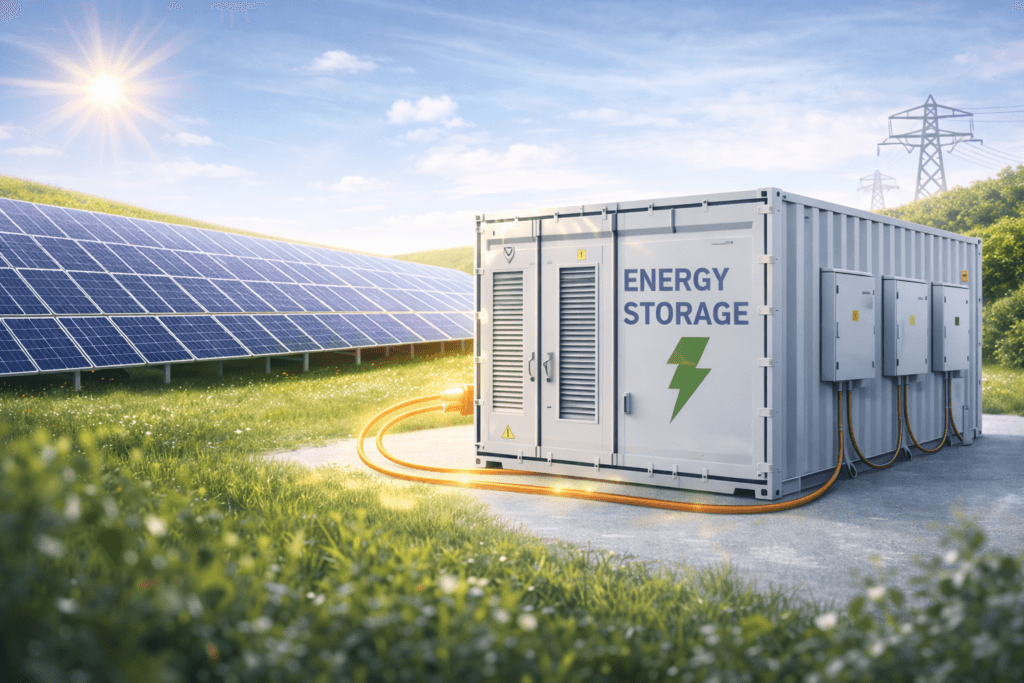
Battery Energy Storage Systems provide an effective solution for energy clipping. Instead of losing excess energy, the system stores it for later use.
For example, stored energy can support evening demand or peak electricity periods. As a result, overall solar utilization improves.
Containerized BESS solutions are especially useful for commercial and utility-scale projects. They allow energy shifting without changing the existing solar array.
Signs Your Solar System Has Energy Clipping
Energy clipping is usually visible in monitoring software. The power output curve reaches a maximum level and stays flat during strong sunlight.
Common indicators include:
- Flat production curves at midday
- Output fixed at inverter capacity
- Clear weather but limited production increase
Therefore, regular monitoring helps identify clipping early.
Ways to Reduce Energy Clipping
Several practical methods help reduce energy clipping losses.
Increase Inverter Capacity
A larger inverter converts more solar power. However, this option increases initial investment.
Add Battery Storage
Battery storage captures excess energy. Consequently, energy becomes available later instead of being lost.
Improve System Design
Adjusting panel orientation or dividing arrays across multiple inverters reduces peak overload.
Use Energy Management Systems
Smart EMS solutions shift loads and optimize energy usage. As a result, excess solar production is used efficiently.
Is Energy Clipping a Problem?
Energy clipping is not always negative. In many cases, controlled clipping improves project economics. Small energy losses often lead to better yearly production performance.
Therefore, the goal is not to eliminate clipping completely. Instead, the objective is balanced system design.
Conclusion
Energy clipping is a natural result of inverter limitations in solar systems. However, proper system sizing and energy storage solutions significantly reduce losses.
By understanding energy clipping, businesses and developers can improve solar efficiency and maximize renewable energy usage. Ultimately, smart design leads to better performance and higher returns.
Frequently Asked Questions About Energy Clipping
What causes energy clipping in solar systems?
Energy clipping happens when solar panels generate more electricity than the inverter can convert. The inverter limits output once it reaches its rated capacity.
Is energy clipping bad for solar systems?
Energy clipping is not always negative. In many cases, small clipping losses improve overall system economics and annual energy production.
How can energy clipping be reduced?
Energy clipping can be reduced by increasing inverter capacity, adding battery energy storage, improving system design, or using energy management systems.
Does battery storage eliminate energy clipping?
Battery energy storage does not always eliminate clipping completely. However, it significantly reduces energy loss by storing excess solar production for later use.


Leave your comment